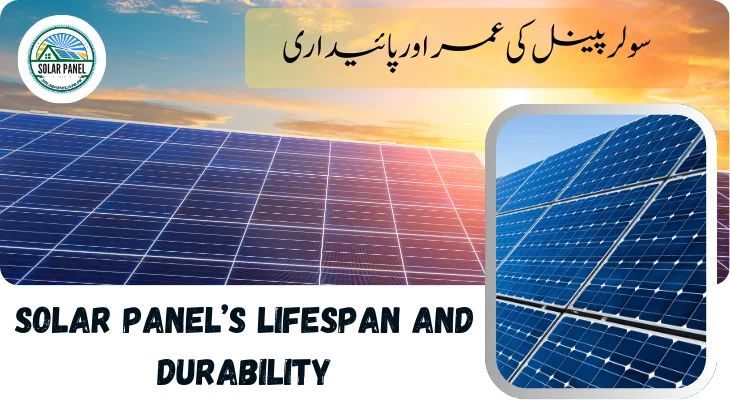
Solar Panel’s Lifespan and Durability
In recent years, solar energy has gained significant popularity in Pakistan due to the country’s high energy consumption, rising electricity prices, and large population. Homeowners and businesses are switching to solar power, raising concerns about the lifespan and durability of solar panels. Typically, solar panels have a gradual decline in efficiency rather than stopping abruptly, and they often come with warranties that ensure performance for several years, with many continuing to produce electricity beyond this period. Understanding the factors that affect lifespan, maintenance needs, and warranty details is crucial for consumers looking to maximize the performance and cost savings of their solar power systems.
Read Also: Solar Panel Size and Wattage
حالیہ برسوں میں، ملک کی زیادہ توانائی کی کھپت، بجلی کی بڑھتی ہوئی قیمتوں، اور بڑی آبادی کی وجہ سے شمسی توانائی نے پاکستان میں نمایاں مقبولیت حاصل کی ہے۔ گھر کے مالکان اور کاروبار شمسی توانائی کی طرف جا رہے ہیں، جس سے سولر پینلز کی عمر اور پائیداری کے بارے میں خدشات بڑھ رہے ہیں۔ عام طور پر، سولر پینلز کی کارکردگی میں بتدریج کمی واقع ہوتی ہے بجائے اس کے کہ وہ اچانک رکنے، اور وہ اکثر وارنٹی کے ساتھ آتے ہیں جو کئی سالوں تک کارکردگی کو یقینی بناتے ہیں، بہت سے لوگ اس مدت کے بعد بھی بجلی پیدا کرتے رہتے ہیں۔ ان عوامل کو سمجھنا جو عمر، دیکھ بھال کی ضروریات، اور وارنٹی کی تفصیلات کو متاثر کرتے ہیں ان صارفین کے لیے بہت اہم ہے جو اپنے شمسی توانائی کے نظام کی کارکردگی اور لاگت کی بچت کو زیادہ سے زیادہ کرنا چاہتے ہیں۔
What Is the Average Lifespan of Solar Panels?
High-quality solar panels typically have a lifespan ranging from 25 to 30 years. However, it’s important to note that reaching this age does not mean the panels cease to operate; rather, it indicates a gradual decline in their efficiency over time.
Here’s a breakdown of solar panel performance throughout their lifespan:
- First 10 years: Solar panels maintain about 90–95% efficiency.
- After 20 years, Efficiency tends to drop to approximately 80–85%.
- After 25–30 years: Efficiency may further decline to around 70–80%.
- Beyond 30 years: Although still functional, the panels exhibit reduced performance.
Despite the official lifespan of solar panels, they can continue to produce electricity for many additional years with appropriate maintenance, making them a viable energy source for decades.
Why Do Solar Panels Degrade?
Solar panel efficiency gradually decreases over time, a phenomenon known as degradation. Typically, most solar panels experience a degradation rate of approximately 0.5% to 1% per year.
- UV Exposure: Prolonged exposure to sunlight can lead to the breakdown of the materials used in solar cells and modules.
- Weather Conditions: Various elements such as rain, hail, snow, wind, and dust can cause physical wear and tear on the panels.
- Temperature Fluctuations: Changes in temperature can result in the expansion and contraction of materials, which may weaken electrical connections.
- Moisture Intrusion: If solar panels have poor sealing or damaged frames, moisture can infiltrate and negatively impact performance.
- Natural Aging of Components: The materials that make up solar panels, including backsheets, wiring, and encapsulation materials, naturally degrade over time.
Fortunately, modern solar panels are designed with advanced engineering to resist degradation and withstand environmental stresses, allowing them to remain functional for extended periods.
Types of Solar Panels and Their Durability
When considering solar panels, it’s important to recognize that their quality and lifespan can vary significantly based on their type and manufacturing standards. Here’s an overview of the different types of solar panels available:
Monocrystalline Panels
- Lifespan: 25–30+ years
- Durability: These panels are known for their high durability.
- Features: Made from pure silicon, they offer high efficiency.
- Best For: Ideal for those looking for a long-term investment and maximum performance.
Read Also: Monocrystalline Solar Panel Prices in Pakistan
Polycrystalline Panels
- Lifespan: 20–25+ years
- Durability: They are durable, although slightly less so than monocrystalline panels.
- Features: These panels are generally more affordable and have slightly lower efficiency compared to monocrystalline options.
Thin-Film Panels
- Lifespan: 10–20 years
- Durability: Durability can vary widely depending on the materials used.
- Features: These panels are flexible and lightweight, though they are typically less efficient.
- Best For: They are suitable for portable systems, commercial roofs, and applications with limited space.
Understanding these differences can help you make an informed decision when selecting solar panels for your needs.
How Durable Are Solar Panels?
Solar panels are specifically engineered to endure challenging environmental conditions, showcasing several key durability features.
Durability Features
- Tempered Glass: This type of glass is stronger than standard glass and is highly resistant to impacts, ensuring the panels’ longevity.
- Aluminum Frames: Aluminum is utilized for its lightweight properties and resistance to corrosion, contributing to the panels’ overall durability.
- Weatherproof Sealing: This sealing effectively protects the internal components of the solar panels from environmental damage.
- Testing for Harsh Environments: Solar panels undergo rigorous testing to confirm their performance in extreme conditions such as hail, strong winds, sandstorms, and heavy snow loads.
Protection Against Weather
- Hail Resistance: Most solar panels are capable of withstanding hail stones measuring between 25 to 35 mm at high speeds, providing crucial protection.
- Wind Resistance: Panels are certified to endure wind speeds ranging from 140 to 160 km/h, depending on the installation methods used.
- Snow Load: The ability of solar panels to support heavy snow depends on their racking system and overall build quality, ensuring they can withstand significant weight.
Overall, these features highlight the robustness of solar panels, making them a reliable choice in various environmental scenarios.
Warranties and What They Mean for Lifespan
Solar panels are typically accompanied by two main types of warranties that provide important assurances to consumers:
- Performance Warranty (25–30 years): This warranty guarantees that the solar panel will maintain a minimum level of its rated output over time, usually ensuring that it will produce at least 80–85% of its original efficiency after 25 years.
Read Also: How Can Solar Power Help Fight SMOG?

- Product Warranty (10–15 years): This warranty covers any manufacturing defects, material issues, or failures that may occur during the specified period.
Generally, longer warranty periods are indicative of higher manufacturing quality and a greater expected lifespan of the solar panels.
Factors That Affect Solar Panel Lifespan
- Quality of Materials: Choosing reputable brands is essential, as they typically offer products that endure for a longer period.
- Installation Quality: Proper installation is crucial; subpar wiring or mounting can significantly decrease the lifespan of the system.
- Environmental Conditions: Panels are adversely affected by extreme climates, which can accelerate wear and tear.
- Maintenance Practices: Regular maintenance, such as keeping panels clean, helps maintain efficiency and prevents performance loss.
- Inverter & Battery Health: Although solar panels have a long lifespan, inverters usually last between 8 to 12 years and may require earlier replacement, so monitoring their condition is important.
Maintenance Requirements for Long Lifespan
Solar panels need minimal upkeep, but some simple practices can help prolong their lifespan.
- Suggested Maintenance
- Wash the panels 2–3 times annually.
- Look for debris, bird nests, or shade from overgrown trees.
- Keep track of system performance to identify potential problems early.
- Consider having a professional inspect annually (optional but advisable).
What to Avoid
- Steer clear of harsh cleaning agents.
- Do not scrub the glass.
- Refrain from stepping on the panels.
How to Extend the Lifespan of Your Solar Panels
To maximize your investment:
- Choose panels from reputable brands that offer robust warranties.
- Ensure that certified technicians carry out the installation professionally.
- Utilize high-quality mounting hardware designed to endure various weather conditions.
- Regularly clean the panels.
- Protect the panels from dust, leaves, bird droppings, and other debris.
- Immediately replace any faulty components, such as wiring or inverters.
Are Solar Panels Worth It Long-Term?
Certainly. Due to their extended lifespan and low maintenance needs, solar panels provide:
- Substantial savings on electricity
- Minimal operating expenses
- Great reliability
- Strong investment returns
- A smaller carbon footprint
Even after 25 to 30 years, the majority of panels continue to operate at approximately 70–80% efficiency, making them a durable energy option.
Conclusion
Solar panels represent a durable, dependable, and economical energy source, particularly in nations like Pakistan, where there is plenty of sunshine and electricity costs are elevated. With a typical lifespan of 25 to 30 years, these panels can function effectively even after this duration, making them a wise investment for both individuals and commercial establishments. Proper installation, routine cleaning, and choosing reputable brands can greatly enhance their longevity. Over time, the reduction in electricity expenses, minimal maintenance demands, and robust warranties render solar panels a practical and eco-friendly option for long-term energy requirements.
سولر پینلز ایک پائیدار، قابل بھروسہ، اور اقتصادی توانائی کے ذریعہ کی نمائندگی کرتے ہیں، خاص طور پر پاکستان جیسی قوموں میں، جہاں بہت زیادہ دھوپ ہوتی ہے اور بجلی کی قیمتیں بلند ہوتی ہیں۔ 25 سے 30 سال کی عام عمر کے ساتھ، یہ پینل اس مدت کے بعد بھی مؤثر طریقے سے کام کر سکتے ہیں، جو انہیں افراد اور تجارتی اداروں دونوں کے لیے ایک دانشمندانہ سرمایہ کاری بناتے ہیں۔ مناسب تنصیب، معمول کی صفائی، اور معروف برانڈز کا انتخاب ان کی لمبی عمر کو بہت زیادہ بڑھا سکتا ہے۔ وقت گزرنے کے ساتھ، بجلی کے اخراجات میں کمی، دیکھ بھال کے کم سے کم مطالبات، اور مضبوط وارنٹی سولر پینلز کو طویل مدتی توانائی کی ضروریات کے لیے ایک عملی اور ماحول دوست اختیار فراہم کرتی ہے۔
FAQ’s
How long do solar panels last?
High-quality solar panels typically last between 25 and 30 years, often continuing to generate electricity beyond that period, albeit with slightly reduced efficiency.
Do solar panels require a lot of maintenance?
No. They need minimal upkeep—mainly regular cleaning and occasional inspections to ensure optimal performance.
Will solar panels work efficiently in Pakistan’s weather?
Solar panels are built to endure extreme weather conditions like heat, dust, rain, and strong winds, making them well-suited for Pakistan’s climate.