Solar Panel Price in Pakistan 2026: Updated Rates, 5-10kW System Cost, Payback 4-7 Years Under New Net Billing Rules
Pakistan’s solar energy landscape is transforming due to net-metering policies, which enable homeowners to earn income from excess solar production and reduce panel costs by 25-40%. In 2026, improved affordability and decreasing solar panel prices make solar energy a viable option for households facing rising electricity bills. This article examines net metering’s impact on financial returns, payback periods, and economic factors influencing solar installations, focusing on major cities like Lahore, Karachi, and Islamabad. Overall, net metering is a vital incentive for solar adoption in the country.

نیٹ میٹرنگ کی پالیسیوں کی وجہ سے پاکستان کا شمسی توانائی کا منظر نامہ تبدیل ہو رہا ہے، جو گھر کے مالکان کو اضافی شمسی پیداوار سے آمدنی حاصل کرنے اور پینل کی لاگت کو 25-40 فیصد تک کم کرنے کے قابل بناتی ہے۔ 2026 میں، بہتر استطاعت اور سولر پینل کی قیمتوں میں کمی نے بجلی کے بڑھتے ہوئے بلوں کا سامنا کرنے والے گھرانوں کے لیے شمسی توانائی کو ایک قابل عمل اختیار بنا دیا ہے۔ اس مضمون میں لاہور، کراچی اور اسلام آباد جیسے بڑے شہروں پر توجہ مرکوز کرتے ہوئے مالیاتی منافع، ادائیگی کی مدت، اور شمسی تنصیبات پر اثر انداز ہونے والے معاشی عوامل پر نیٹ میٹرنگ کے اثرات کا جائزہ لیا گیا ہے۔ مجموعی طور پر، ملک میں شمسی توانائی کو اپنانے کے لیے نیٹ میٹرنگ ایک اہم ترغیب ہے۔
Historical Price Trends: Solar Panels Ki Qeemat Mein Kami Over the Years
Global solar panel prices have fallen significantly over the past decade. In Pakistan, prices dropped to PKR 22-28 per watt by 2025, making net metering appealing with payback periods of 2-4 years. However, by 2026, local prices surged by 20-50% due to import duties, currency depreciation, and an 18% sales tax, despite global declines.
| Panel Wattage | Brand Examples | Price Range (PKR per Panel) | Price per Watt (PKR) | Notes |
| 585W | Longi, JA Solar | 20,000 – 21,000 | 34 – 36 | Up from 16,000-17,000 in 2025; popular for residential use in Lahore. |
| 645W | Canadian Solar, Trina | 24,000 – 25,000 | 37 – 39 | Ideal for larger homes in Karachi; surged from ~20,000. |
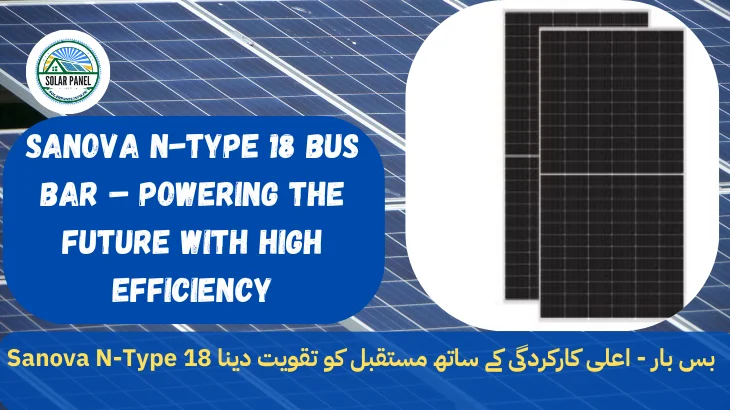
| 720W | Jinko, Risen | 30,000 – 32,000 | 42 – 44 | Commercial favorite in Islamabad; highest efficiency for net metering. |
| 550W (Budget) | Local/Generic | 8,000 – 19,000 | 15 – 35 | Entry-level for small setups; varies by city. |
In Islamabad and Rawalpindi, electricity prices are PKR 32-34 per watt, while Lahore has lower rates at PKR 28-32 due to competition. Prices have increased from PKR 22 to 33 in five months because of supply chain issues and tax hikes. Experts expect prices to stabilize or decrease in 2026 as global supplies recover and local manufacturing grows, aided by initiatives like the Special Economic Zones in Punjab.
Understanding Net Metering in Pakistan: Kya Hai Yeh System?
Net metering, introduced by NEPRA in 2015, promotes rooftop solar adoption in Pakistan by allowing solar panel owners to earn credits on utility bills for excess electricity fed back to the grid. This system has led to a 50-80% reduction in household electricity bills and supports the country’s green energy initiatives. By mid-2026, there are expected to be over 466,000 net metering connections with a total capacity exceeding 22,000 MW, largely benefiting middle-class families in Punjab and Sindh due to falling solar prices and government incentives.
Complete guide to net metering: Net Metering in Pakistan Explained
Later, exported units are credited to your electricity bill. In Pakistan, net metering is regulated by NEPRA and available through DISCOs like:
- Lahore Electric Supply Company (LESCO)
- Islamabad Electric Supply Company (IESCO)
- Faisalabad Electric Supply Company (FESCO)
- Karachi Electric (K-Electric)
Net Metering to Net Billing in Pakistan (2026): Solar Prices, Savings & ROI
In 2026, Pakistan’s solar market shifted from net metering to net billing, with new installations receiving lower rates for exported electricity (Rs 8.13 to Rs 11 per unit). Existing users keep higher rates until their contracts expire. This change extends payback periods and makes high self-consumption and hybrid systems more attractive. The cost of solar systems varies based on panel capacity, inverter brand, installation charges, and approval fees. Solar remains effective in sunny regions like Sindh, generating 4-5 units per kW daily.

Updated Net Metering/Net Billing System Cost (2026)
Prices have risen slightly from 2025 lows due to import duties and supply factors, but remain competitive. On-grid/grid-tied system costs exclude batteries, which add Rs 200,000–500,000+ for hybrid systems.
Check detailed system pricing: 5KW Solar System Price In Pakistan
| System Size | Price Range (PKR, 2026) | Monthly Units Generated (Approx.) | Suitable For | Notes |
| 5 kW | Rs 650,000 – 800,000 | 600–800 units | Small homes (3-5 marla) | Entry-level; good for low consumption. |
| 10 kW | Rs 890,000 – 1,200,000 | 1,200–1,600 units | Medium homes (5-10 marla) | Most popular for best ROI in residential setups. |
| 15 kW | Rs 1,200,000 – 1,600,000 | 1,800–2,400 units | Large houses/commercial | Higher efficiency; better per-kW pricing. |
| 20 kW | Rs 1,500,000 – 2,000,000+ | 2,500+ units | Commercial/small businesses | Scalable for higher loads. |
System cost for on-grid setups: Rs 80–120/watt; panels: Rs 28–37/watt for A-grade brands.
Common system sizes: 10kW or 15kW.
Popular inverters:
- Huawei: Rs 150,000–350,000 (reliable).
- Growatt: Rs 100,000–250,000 (affordable).
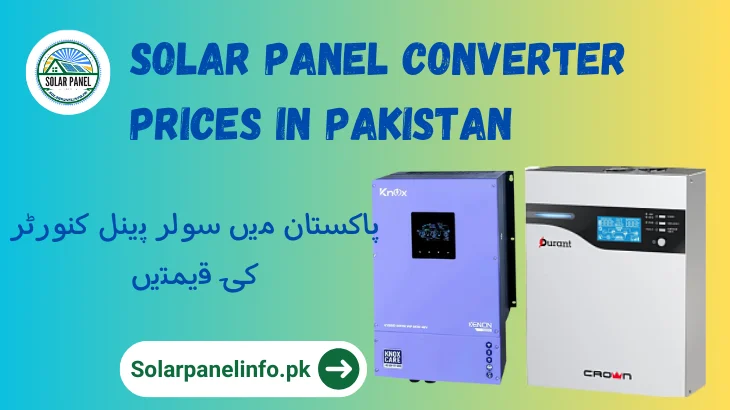
- Solis: Rs 120,000–300,000 (cost-effective).
- Sungrow: High-end, similar to Huawei.
All are Tier-1 brands with 5–10 year warranties.
Full inverter comparison: inverters
☀ Pakistan Solar Calculator 2026
Net Metering/Net Billing Approval Cost in Pakistan (2026)
Approval is needed from your DISCO (like SEPCO in Sindh) and the process takes 30–90 days. The new rules involve similar procedures but include net billing terms.
| Item | Cost (PKR) | Notes |
| Application & Documentation | Rs 50,000 – 80,000 | Includes forms, drawings, fees. |
| Bi-directional Meter | Rs 60,000 – 120,000 | Installed by DISCO; higher for larger systems. |
| Inspection & Other Fees | Rs 10,000 – 20,000 | Site visit, wiring checks. |
| Total | Rs 120,000 – 220,000 | Add for larger systems or delays. |
Monthly Savings with Net Metering/Net Billing (2026)
Residential electricity tariffs are Rs 30–40+ per unit, with a protected slab around Rs 13 for low usage and higher rates up to Rs 40+, plus extra taxes/FCA. Rates can reach Rs 40–60 with surcharges. In Sindh, systems generate about 120–150 units per kW/month, especially in summer. Monthly savings are possible with high self-consumption, but may decrease if exporting due to low buyback rates.
| System Size | Monthly Saving (PKR) | Notes |
| 5 kW | Rs 25,000 – 40,000 | Covers small bills; payback 4–6+ years. |
| 10 kW | Rs 50,000 – 80,000+ | Ideal for medium homes; payback 4–7 years (longer under new rules). |
| 15 kW | Rs 80,000 – 120,000+ | High savings for large loads; best for self-use. |
ROI for new systems is between 4 and 7+ years, which is longer than the pre-2026 period of 3-4 years due to reduced export credits. Emphasizing self-consumption or incorporating batteries can lead to a faster ROI. Many individuals see a return on investment within 4-6 years with high self-use, and after payback, electricity can be nearly free for over 20 years, matching the lifespan of the panels.
2026 Policy Shake-Up: From Net Metering to Net Billing – Bijli Bechne Ka Naya Tareeqa
In 2026, NEPRA’s Prosumer Regulations replaced net metering with net billing for new solar installations. Key changes include:
- Buyback Rate: Reduced to PKR 8.13-11.30 per unit (55-68% decrease).
- Contract Duration: Shortened to 5 years.
- Billing Cycle: Monthly instead of annual.
Existing users keep old rates due to government intervention. Critics claim this significantly cuts solar benefits and note that net metering contributes only 0.32% to grid energy. Despite longer payback periods (4.5-5 years), solar remains profitable in the long run.
For details, see NEPRA Net Metering New Rules 2026 Explained, and Pakistan’s New Solar Policies Explained 2026.
Impact on Solar Adoption: Ab Bhi Faida Hai?
Solar energy remains appealing in Pakistan despite rate cuts and high electricity tariffs.
- Global solar panel prices have dropped over 80% since 2010.
- For a common 5kW system, costs in 2026 include:
- Solar panels: PKR 180,000-220,000
- Grid-tied inverter: PKR 120,000-150,000
- Installation and wiring: PKR 50,000-80,000
- Bi-directional meter: PKR 15,000-25,000
- Total: PKR 412,000-545,000
Savings are estimated at PKR 200,000-300,000 annually, generating 6,000-8,000 units/year.
Return on investment (ROI) is achievable in 4-6 years, faster in sunny regions like Sindh.
New policies encourage self-consumption and battery storage for off-grid hybrid systems.

How to Set Up Net Metering in 2026: Step-by-Step Guide for Pakistani Users
- Assess Needs: Calculate your energy load using online tools or local vendors.
- Choose System: Select Tier-1 brands like Longi or Canadian Solar for reliability.
- Apply to DISCO: Submit application via NEPRA portal or local office with fees of PKR 2,000-5,000.
- Installation: Hire certified installers; typically takes 1-2 weeks.
- Inspection & Activation: DISCO inspects and activates the net billing contract.
- Financing: Banks like HBL provide solar loans at 5-7% markup; government subsidies are available for low-income households.
Benefits of Net Metering in Pakistan
- Significant Reduction in Electricity Bills: Solar energy systems can lower electricity costs by 70% to 100%.
- Generate Income from Surplus Energy: Excess solar power can be fed back into the grid via net metering.
- Shield Against Rate Hikes: While electricity prices rise annually, solar energy remains cost-free.
- Eco-Friendly Solution: Using solar power decreases carbon emissions and contributes to the fight against climate change.
- Increase in Property Worth: Homes equipped with solar energy systems tend to have a higher market value.
Challenges and Limitations of Net Metering in Pakistan
- Net Metering Caps: DISCOs have capacity limits (500 kW for LESCO, 750 kW for KESCO), with Lahore and Karachi nearing these, causing delays for Q2-Q3 2026 applicants. NEPRA’s 2026 expansion increases caps for an additional 2-3 years.
- Minimum Connection Charges: Customers face ₨300-600 monthly charges, amounting to ₨90,000-180,000 over 25 years, slightly reducing net metering benefits but allowing for positive ROI.
- Credit Expiration Policies: Year-end true-up deadlines pressure consumers to use credits. New indefinite rollover policies (2026) simplify management.
Conclusion
Solar energy in Pakistan is growing rapidly, even after the 2026 policy change from net metering to net billing, which has increased the payback period for new installations. Despite this, solar power remains a viable long-term investment due to rising electricity prices. Regions like Sindh, Lahore, Karachi, and Islamabad benefit from abundant sunlight, allowing for significant electricity generation and lower monthly bills. Homeowners can enhance savings through higher self-consumption, efficient inverters, and optional battery storage. Although the financial returns may extend to 4–7 years, solar panels still offer 20+ years of clean, low-cost electricity, positioning them as a reliable energy solution for Pakistan.
Explore more solar guides at: https://solarpanelinfo.pk
پاکستان میں شمسی توانائی تیزی سے ترقی کر رہی ہے، یہاں تک کہ 2026 کی پالیسی نیٹ میٹرنگ سے نیٹ بلنگ میں تبدیلی کے بعد، جس نے نئی تنصیبات کے لیے ادائیگی کی مدت میں اضافہ کر دیا ہے۔ اس کے باوجود، بجلی کی بڑھتی ہوئی قیمتوں کی وجہ سے شمسی توانائی ایک قابل عمل طویل مدتی سرمایہ کاری ہے۔ سندھ، لاہور، کراچی اور اسلام آباد جیسے علاقے سورج کی کثرت سے فائدہ اٹھاتے ہیں، جس سے بجلی کی نمایاں پیداوار اور ماہانہ بل کم ہوتے ہیں۔ گھر کے مالک زیادہ خود استعمال، موثر انورٹرز، اور اختیاری بیٹری اسٹوریج کے ذریعے بچت کو بڑھا سکتے ہیں۔ اگرچہ مالیاتی منافع 4-7 سال تک بڑھ سکتا ہے، شمسی پینل اب بھی 20+ سال کی صاف، کم لاگت بجلی پیش کرتے ہیں، جو انہیں پاکستان کے لیے قابل اعتماد توانائی کے حل کے طور پر پیش کرتے ہیں۔
FAQ’s
What is the difference between net metering and net billing in Pakistan?
Net metering credits exported solar electricity at nearly the same rate as purchased electricity, while net billing, introduced by NEPRA in 2026, purchases it at a lower rate of Rs 8–11 per unit.
How much does a solar system cost in Pakistan in 2026?
A 5kW solar system costs Rs 650,000 to Rs 800,000, while a 10kW system ranges from Rs 890,000 to Rs 1,200,000, depending on brand and installation.
Is installing solar still profitable after the net billing policy?
Solar systems can reduce electricity bills by 50-80%, and households often recoup their investment in 4-7 years.
Why Solar is Growing Fast in Pakistan?
Pakistan’s solar market is rapidly growing due to rising electricity tariffs, load shedding, falling solar panel prices, and supportive government policies. Major cities adopting solar energy include Lahore, Karachi, Islamabad, Faisalabad, and Multan.