Latest Technology in Solar Panels
The latest technology in solar panels is crucial for optimal performance and power efficiency. When installing a solar system, it’s important to choose the most advanced solar panels available. These systems cater to residential, commercial, industrial, and agricultural needs. Recent advancements include new cell architectures, module designs, and innovative siting methods like floating and agrivoltaics, all aimed at reducing costs and increasing efficiency. The text also discusses the key technologies, their benefits, challenges, and future developments in solar technology.
Read Also: The Benefits of Installing Residential Solar Systems
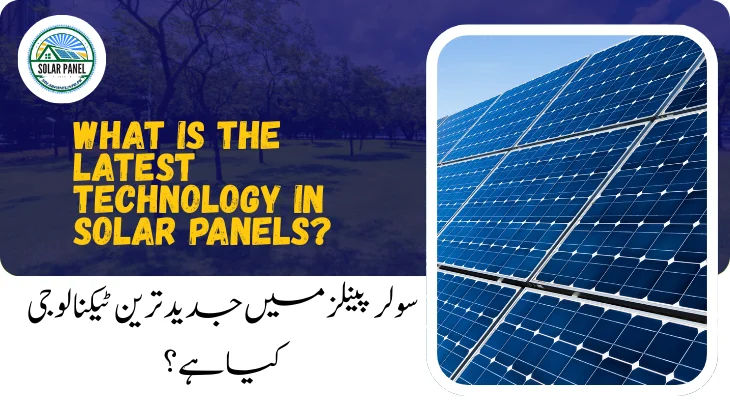
شمسی پینل میں جدید ترین ٹیکنالوجی بہترین کارکردگی اور بجلی کی کارکردگی کے لیے اہم ہے۔ سولر سسٹم انسٹال کرتے وقت، دستیاب سب سے جدید سولر پینلز کا انتخاب کرنا ضروری ہے۔ یہ نظام رہائشی، تجارتی، صنعتی اور زرعی ضروریات کو پورا کرتے ہیں۔ حالیہ پیشرفت میں نئے سیل آرکیٹیکچرز، ماڈیول ڈیزائنز، اور سیٹنگ کے جدید طریقے جیسے فلوٹنگ اور ایگریولٹیکس شامل ہیں، جن کا مقصد لاگت کو کم کرنا اور کارکردگی میں اضافہ کرنا ہے۔ متن میں کلیدی ٹیکنالوجیز، ان کے فوائد، چیلنجز اور شمسی ٹیکنالوجی میں مستقبل میں ہونے والی پیش رفت پر بھی بات کی گئی ہے۔
Perovskite-on-silicon (tandem) solar cells — the biggest efficiency leap
Tandem solar cells stack multiple light-absorbing layers to capture different parts of the sun’s spectrum, with a notable combination being a perovskite layer on top of conventional silicon. This approach can exceed the single-junction efficiency limit of silicon, reaching over 34% efficiency in 2025. However, challenges remain, including the stability of perovskite layers, scaling to larger modules, and achieving cost-effective manufacturing and encapsulation to ensure a 20–25 year lifespan.
Advancing from PERC to N-Type Technologies
The solar industry is transitioning from PERC cell generation to higher-efficiency N-type silicon technologies, specifically TOPCon and HJT.
- TOPCon: Features improved passivation to reduce recombination and boost voltage, making it a cost-effective upgrade from PERC.
- HJT: Combines crystalline and amorphous silicon for excellent performance but comes with higher costs and requires new equipment.
These technologies offer higher efficiency, better low-light performance, and lower degradation.
Bifacial modules, trackers, and system-level optimisation
Bifacial solar modules collect light on both sides, potentially increasing energy yield through ground albedo. Single- and dual-axis trackers enhance this by tilting the modules to follow the sun. When combined, bifacial modules and tracking can raise annual energy output by 10-30% for utility and commercial projects, making them a cost-effective solution to increase kWh yield without significantly increasing module area. However, system design optimizations, including row spacing, ground treatment, and tracker selection, are essential to achieve this potential in real-world applications.
Dual-Use Solar Systems Explained
- Floatovoltaics: PV arrays are mounted on water bodies, providing cooling benefits and reducing water evaporation.
- Agrivoltaics: PV systems and crops are co-located, allowing for simultaneous production of electricity and food while offering shading for crops.
- Importance: Both methods are gaining support through pilots and utility projects and are becoming standard in deployment planning in crowded regions.
- Challenges: Key issues include mounting, anchoring, corrosion, environmental permitting, and optimizing interactions between crops and panels.
Emerging Solar Technologies for Integrated Applications
- What they are. Thin-film organic photovoltaics (OPV), semi-transparent perovskite cells, and flexible modules facilitate integration into windows, facades, portable devices, and curved surfaces.
- Why it matters. These types of PV allow for energy generation in areas where glass or curved surfaces are present (such as building facades, vehicles, and consumer products). Although their efficiency is typically lower than that of crystalline silicon, their value lies in the advantages of integrated installation and aesthetic or architectural appeal.
- Commercial state. We can anticipate ongoing niche adoption (for example, glass facades with integrated PV and portable electronics) as the stability and lifetime of perovskite and organic materials improve.
Latest Technology in Solar Panels
Key Solar Technologies
Perovskite–Silicon Tandem
Multi-layer cells exceeding 34% efficiency by capturing more solar spectrum.
N-Type (TOPCon & HJT)
Higher efficiency, lower degradation, and better low-light performance.
Bifacial + Trackers
Collect sunlight from both sides and follow the sun for up to 30% more output.
Floatovoltaics
Floating solar systems reduce evaporation and improve panel cooling.
Agrivoltaics
Combine agriculture and power generation on the same land.
Smart Solar Modules
Microinverters, monitoring, and AI analytics maximize yield and safety.
شمسی پینل کی جدید ٹیکنالوجیز
پیرووسکائٹ–سلیکون ٹینڈم
34٪ سے زیادہ کارکردگی والی جدید سیلز۔
N-Type (TOPCon / HJT)
زیادہ پیداوار اور کم ڈیگریڈیشن۔
بائیفیشل پینلز
دونوں اطراف سے روشنی جذب کرتے ہیں۔
فلوٹوولٹیکس
پانی پر نصب سولر سسٹمز۔
ایگری وولٹیکس
زراعت اور بجلی ایک ساتھ۔
سمارٹ سولر ماڈیولز
مانیٹرنگ اور خودکار کارکردگی۔
Technology Impact
Pick the Right Solar Technology
Benefits of Smart Solar Module Technology
Smart modules are advanced systems that incorporate module-level power electronics (MLPE), including microinverters or optimizers, as well as monitoring sensors and features for generation forecasting and yield optimization. These modules are significant for several reasons. Firstly, they enhance energy capture, which leads to increased overall efficiency. Additionally, they improve safety through features like rapid shutdown capabilities. Maintenance is also made simpler through remote monitoring and predictive analytics, ultimately reducing balance of system (BOS) costs in more complex installations. Furthermore, the use of digital twins and performance analytics is becoming more prevalent as operational tools for managing large fleets of these systems.
Recycling, circularity, and supply-chain resilience
The importance of recycling in the solar industry cannot be overstated. As solar panels age and the industry continues to expand, there is an increasing need to recycle materials such as glass, silicon, silver, and backsheet components. This effort is crucial for reducing dependence on critical raw materials, particularly silver. To address these challenges, the industry is actively developing strategies focused on modular repairability, standardized recycling processes, and second-life applications for paired energy storage systems. These initiatives are vital for promoting sustainability and efficiency within the solar sector.
Upcoming Advances in Solar PV Technologies
- Short term (now — 2026): Increased use of TOPCon and HJT cells in mid-to-large manufacturing facilities; enhanced deployment of bifacial modules with tracking systems in utility-scale projects; and the introduction of initial commercial tandem pilot projects and small-format perovskite products (such as portable and building-integrated photovoltaics) into the market.
- Medium term (2026–2030): Expansion of perovskite-silicon tandem modules is expected if issues related to long-term stability and large-area encapsulation are resolved—this would significantly boost module efficiency across different markets and lower the levelized cost of electricity (LCOE). Ongoing price reductions and a shift in manufacturing towards N-type designs are anticipated.
Key technical & market risks
- The stability of perovskite at the module level differs, as lab cells degrade in a manner distinct from full modules; the processes of encapsulation and relevant standards are still being developed.
- Constraints in the supply chain and materials—such as the usage of silver, fluctuations in polysilicon supply, and the high capital requirements for factory upgrades—can hinder progress.
Read Also: How Does Solar Energy Increase Property Value in Pakistan?

- The trade-offs between cost and benefit mean that premium cells (like HJT) need to validate their increased module expense through better yield or added application value.
- Challenges related to regulation and permitting exist for floating photovoltaic systems and large-scale agrivoltaics projects.
Picking the Right Solar Panels
- Utility scale: prioritize bifacial modules and tracking systems when the land and albedo conditions are favorable; assess TOPCon for the optimal tradeoff between cost and efficiency currently; keep an eye on tandem technology development for future repowering possibilities.
- Commercial & industrial rooftops: explore N-type modules (TOPCon/HJT) when roof space is limited and a higher yield per area justifies the additional cost.
- Homeowners: established multi-decade warranties remain the most important factor — PERC and improved N-type modules now demonstrate stronger reliability compared to newer technologies; seek out solid, bankable warranties.
- Architects/BIPV: monitor advancements in perovskite and semi-transparent technologies for future integration into building façades.
Conclusion
The solar industry is undergoing significant advancements, including improved cell efficiency with perovskite-silicon tandem cells and the rise of N-type technologies like TOPCon and HJT. Innovative deployment methods such as bifacial modules, agrivoltaics, and floatovoltaics are enhancing solar installation options. Additionally, recycling and supply-chain resilience are crucial for sustainability. As these technologies evolve, consumers will enjoy benefits like higher energy yields, increased durability, and more flexible installations, leading to a smarter and more integrated future for solar power.
شمسی صنعت نمایاں پیش رفت سے گزر رہی ہے، بشمول پیرووسکائٹ-سلیکون ٹینڈم سیلز کے ساتھ سیل کی کارکردگی میں بہتری اور TOPCon اور HJT جیسی N-قسم کی ٹیکنالوجیز کا اضافہ۔ تعیناتی کے جدید طریقے جیسے کہ بائیفیشل ماڈیولز، ایگری وولٹیکس، اور فلوٹوولٹیکس شمسی تنصیب کے اختیارات کو بڑھا رہے ہیں۔ مزید برآں، ری سائیکلنگ اور سپلائی چین کی لچک پائیداری کے لیے اہم ہیں۔ جیسے جیسے یہ ٹیکنالوجیز تیار ہوں گی، صارفین توانائی کی اعلی پیداوار، پائیداری میں اضافہ، اور زیادہ لچکدار تنصیبات جیسے فوائد سے لطف اندوز ہوں گے، جو شمسی توانائی کے لیے ایک بہتر اور مربوط مستقبل کا باعث بنیں گے۔
FAQ’s
What is the newest and most advanced solar panel technology?
The latest breakthrough is perovskite-on-silicon tandem solar cells, which can exceed 34% efficiency—much higher than regular silicon panels.
Are N-type panels (TOPCon and HJT) better than PERC panels?
Yes. N-type panels offer higher efficiency, better low-light performance, and lower degradation, making them a superior next-step technology.
What are bifacial solar panels, and why are they becoming popular?
Bifacial panels absorb sunlight from both sides, increasing energy output by 10–30%, especially when paired with tracking systems.