Solar System Safety During Flood: A Critical Guide for Punjab Residents
Punjab experiences heavy monsoon rains and flooding annually, raising concerns about the impact on solar power systems during these events. While solar systems can assist during load-shedding, they pose safety risks if not managed properly during floods. The rise in extreme weather has made it crucial for solar owners to understand safety rules to protect their systems, which are vital for households and businesses in the region.
Read more: Solar Panels Safety During Flood
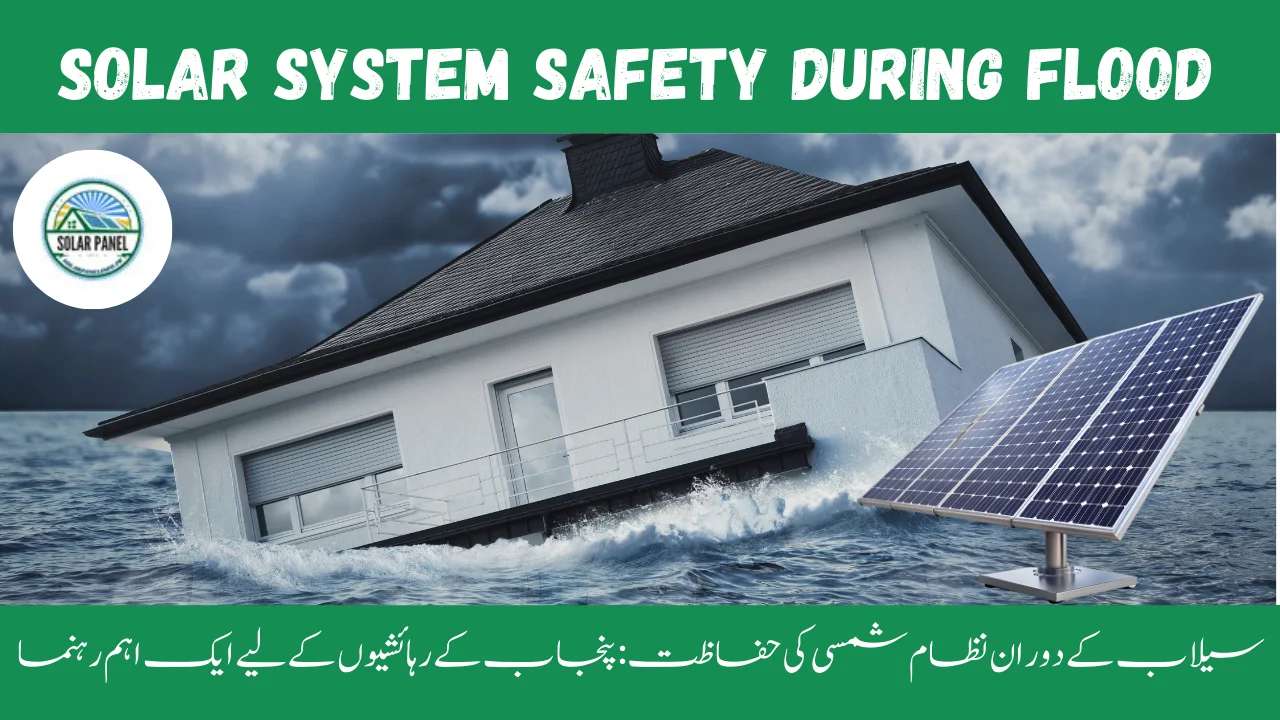
پنجاب میں ہر سال شدید مون سون بارشوں اور سیلاب کا سامنا ہوتا ہے، جس کی وجہ سے ان واقعات کے دوران شمسی توانائی کے نظام کے بارے میں خدشات پیدا ہوتے ہیں۔ اگرچہ سولر سسٹم لوڈ شیڈنگ کے دوران مدد کر سکتے ہیں، لیکن اگر سیلاب کے دوران مناسب طریقے سے انتظام نہ کیا جائے تو وہ حفاظتی خطرات کا باعث بنتے ہیں۔ شدید موسم میں اضافے نے شمسی توانائی کے مالکان کے لیے اپنے سسٹمز کی حفاظت کے لیے حفاظتی اصولوں کو سمجھنا انتہائی اہم بنا دیا ہے، جو علاقے میں گھرانوں اور کاروباروں کے لیے بہت ضروری ہیں۔
Pre-Flood Safety Measures for Solar Systems
Residents living in areas prone to flooding should prepare their solar systems well in advance of the monsoon season. Some crucial steps include:
Elevate the Equipment
- Install inverters, batteries, and electrical panels at a height above ground level, ideally on raised platforms or upper floors.
- Ensure that solar panels mounted on rooftops have robust structures that can endure heavy rain and strong winds.
Waterproof Protection
- Utilize waterproof enclosures for batteries and inverters.
- Apply weather-resistant sealant around wiring connections.
Regular Inspection
- Examine wiring for any signs of wear, as exposed cables are at greater risk of water damage.
- Make sure that drainage around the property is working properly to reduce water accumulation near the solar system.
Install Safety Devices
- Incorporate Residual Current Circuit Breakers (RCCB) and surge protectors to mitigate electrical risks.
- Include automatic shut-off systems that disconnect the power supply when water levels become dangerously high.
Why Solar System Safety Matters During Floods
Solar power systems are intended to deliver clean and dependable energy. Nevertheless, in areas prone to flooding, these systems encounter distinct risks such as:
- Electrical Risks: The combination of water and electricity can be extremely hazardous. Floodwater contacting inverters, batteries, or wiring can result in electrocution or ignite fires.
- Equipment Damage: Batteries or inverters that are submerged may experience short-circuiting, leading to irreversible equipment failure.
- Financial Impact: The cost of replacing solar components can be high, particularly during flood recovery efforts.
- Energy Reliance: Numerous households in Punjab depend on solar energy during electricity outages. A compromised system could leave families without power during critical times.
Solar Systems at Risk of Flooding
- Solar panels can short-circuit in sunlight, regardless of the condition of the electrical grid.
- In the event of water exposure, inverters and batteries may short-circuit and potentially start a fire.
- Wiring that is loose or low in floodwaters could pose a risk of electrocution.
- Systems installed on the ground are exposed to water and debris in open fields.
Safety Measures During a Flood
In the event of flooding, residents must prioritize their personal safety while also working to minimize potential damage to their solar energy systems. Here are some important steps to consider:
Switch Off the System
- Immediately turn off the main solar supply from the control panel to prevent any electrical hazards.
- If water levels are rising, disconnect any inverters and batteries to avoid damage.
Avoid Contact
- Do not touch wet solar panels, wires, or inverters, as even residual current can pose a risk of electrocution.
- Ensure that children and pets are kept away from the area surrounding the solar system.
Move Portable Equipment
- If conditions allow, it is advisable to relocate portable batteries or inverters to higher ground to protect them from potential flooding.
By following these guidelines, residents can enhance their safety and protect their solar systems during flood events.
After Floods
- Never turn it on right away. Moisture inside will short-circuit.
- Call a qualified electrician/solar technician.
- Have him check fully all panels, wiring, isolators, batteries, and grounding.
- Make sure you get the go-ahead from a professional before doing a restart.
Disadvantages of Keeping Solar ON During Flood
- High risk of getting an electrical shock if floodwater touches wires or equipment.
- Inverter and batteries are damaged, leading to very costly replacements.
- High chances of short-circuiting and the fire breakout if water enters isolators or even panels.
- The warranty of the system may be invalidated if the equipment is operated in hazardous conditions.
- Longer downtime after the flood because of heavier damage.
Community Awareness and Government Role
In Punjab, where floods often disturb both rural and urban areas, it is essential to promote community awareness. Local governing bodies, disaster management organizations, and solar companies ought to:
- Carry out awareness campaigns focusing on solar safety in flood situations.
- Offer emergency technical assistance to households impacted by floods.
- Motivate residents to adopt elevated and flood-resistant solar installations as part of government subsidy initiatives.
Conclusion
Flooding in Punjab creates significant issues for households that depend on solar energy; however, the risks can be reduced with appropriate precautions. Elevating equipment, utilizing waterproof protection, deactivating systems during flooding, and obtaining professional assistance afterward are all crucial measures for ensuring safety. By promoting awareness and advocating for flood-resistant setups, both individuals and authorities can safeguard lives, property, and energy security during crucial moments.
پنجاب میں سیلاب ان گھرانوں کے لیے اہم مسائل پیدا کرتا ہے جو شمسی توانائی پر انحصار کرتے ہیں۔ تاہم، مناسب احتیاطی تدابیر کے ساتھ خطرات کو کم کیا جا سکتا ہے۔ سامان کو بلند کرنا، واٹر پروف تحفظ کا استعمال، سیلاب کے دوران نظام کو غیر فعال کرنا، اور بعد میں پیشہ ورانہ مدد حاصل کرنا حفاظت کو یقینی بنانے کے لیے تمام اہم اقدامات ہیں۔ آگہی کو فروغ دے کر اور سیلاب سے بچنے والے سیٹ اپ کی وکالت کرتے ہوئے، افراد اور حکام دونوں ہی اہم لمحات کے دوران جانوں، املاک اور توانائی کی حفاظت کی حفاظت کر سکتے ہیں۔
FAQ’s
Can I use my solar system during a flood?
Turn it off right away to prevent electric shock, fire hazards, and damage to the equipment.
What should I do with solar batteries and inverters during heavy floods?
If it is safe to do so, relocate them to elevated areas or unplug them to avoid water damage.
When can I restart my solar system after a flood?
The system can only be used after a qualified technician has inspected it and confirmed that it is safe.