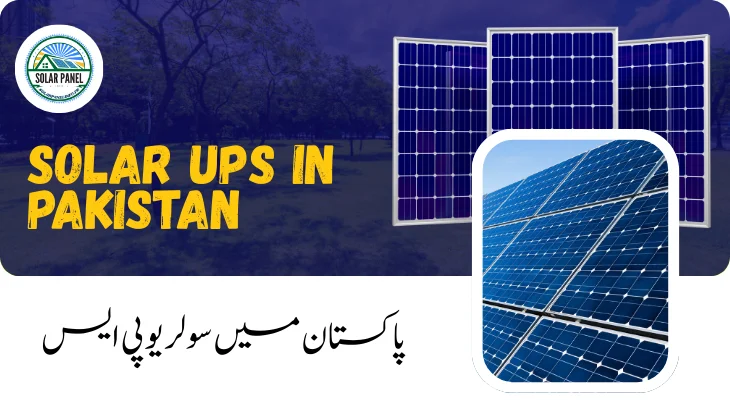
Solar UPS in Pakistan
UPS (Uninterruptible Power Supply) systems are becoming essential not only for offices and industrial sectors but also for homes, particularly in Pakistan, where power shortages and load shedding are common. The increase in sales and imports of UPS systems reflects a growing awareness of their benefits during power outages. Innovative solar technologies, such as solar UPS, solar power banks, and LED lights, are emerging as sustainable alternatives for energy needs. Many households and businesses are transitioning to these modern solutions to address the challenges of power deficits, voltage fluctuations, and rising energy costs.
Read Also: SOLAR AIR COOLER PRICE IN PAKISTAN
UPS (Uninterruptible Power Supply) سسٹم نہ صرف دفاتر اور صنعتی شعبوں بلکہ گھروں کے لیے بھی ضروری ہوتا جا رہا ہے، خاص طور پر پاکستان میں، جہاں بجلی کی قلت اور لوڈ شیڈنگ عام ہے۔ UPS سسٹمز کی فروخت اور درآمدات میں اضافہ بجلی کی بندش کے دوران ان کے فوائد کے بارے میں بڑھتی ہوئی آگاہی کی عکاسی کرتا ہے۔ جدید سولر ٹیکنالوجیز، جیسے سولر UPS، سولر پاور بینک، اور ایل ای ڈی لائٹس، توانائی کی ضروریات کے لیے پائیدار متبادل کے طور پر ابھر رہی ہیں۔ بہت سے گھرانے اور کاروبار بجلی کے خسارے، وولٹیج کے اتار چڑھاؤ، اور توانائی کے بڑھتے ہوئے اخراجات کے چیلنجوں سے نمٹنے کے لیے ان جدید حلوں کی طرف منتقل ہو رہے ہیں۔
What is a Solar UPS?
A Solar UPS (Uninterruptible Power Supply) is a backup system intended to deliver electricity during power outages by utilizing solar energy, rather than depending only on the national grid. It consists of:
- Solar panels
- Charge controller
- Inverter/UPS
- Battery bank
This system collects energy produced from sunlight and provides continuous power when the grid is nonfunctional.
Why Solar UPS is Becoming Popular in Pakistan
The increasing demand for solar energy can be attributed to several compelling factors:
- Rising Electricity Prices: With electricity tariff rates on the rise, solar systems present a more financially viable long-term solution for consumers.
- Load-Shedding Challenges: Many cities and rural regions still experience power outages, particularly during the summer months. A Solar UPS (Uninterruptible Power Supply) offers a reliable source of continuous power.
- Abundant Sunlight: Pakistan benefits from significant solar radiation, with most areas receiving between 8 to 10 hours of sunlight daily, enhancing the productivity of solar energy systems.
- Environmental Benefits: Utilizing solar energy reduces reliance on fossil fuels, resulting in decreased carbon emissions and contributing positively to environmental sustainability.
- Long-Term Investment: Despite the higher initial investment required for solar systems, they entail minimal operational costs and have a lifespan that can exceed 20 years, making them a wise long-term financial decision.
🌞 Solar UPS in Pakistan
Smart, Eco-Friendly & Reliable Power Backup Solution
What is a Solar UPS?
A Solar UPS provides backup electricity using solar energy instead of relying only on the national grid.
Why Solar UPS?
Rising electricity prices, load-shedding, and abundant sunlight make solar UPS ideal for Pakistan.
Environmental Benefits
Reduces carbon emissions and dependency on fossil fuels.
Long-Term Investment
High initial cost but low maintenance and 20+ years lifespan.
Hybrid Solar UPS
Works with solar + grid. Best for homes & offices.
Off-Grid Solar UPS
100% solar powered. Ideal for remote areas.
On-Grid Solar UPS
Connected with net metering to reduce electricity bills.
⚡ Solar UPS Capacity
| Capacity | Appliances |
|---|---|
| 1kW – 2kW | Fans, lights, LED TV |
| 3kW – 5kW | Refrigerator, computer, multiple devices |
| 10kW+ | Large homes, shops, industry |
💰 Estimated Prices (PKR)
| System Size | Price Range |
|---|---|
| 1kW | 120,000 – 200,000 |
| 3kW | 350,000 – 550,000 |
| 5kW | 600,000 – 900,000 |
| 10kW+ | 1,200,000+ |
Top Solar UPS Brands
Types of Solar UPS Systems in Pakistan
There are mainly three types:
| Type | Features | Best For |
| Hybrid Solar UPS | Works on both solar and grid | Homes & offices facing occasional load-shedding |
| Off-Grid Solar UPS | 100% solar-powered, no grid required | Remote areas with no electricity |
| On-Grid Solar UPS (Net Metering) | Connected to the utility grid, it can reduce bills via net metering | Homes & businesses with stable grid electricity |
Common Solar UPS Capacity Options
| Capacity | Appliances it can run |
| 1kW – 2kW | Fans, lights, small LED TV |
| 3kW – 5kW | Refrigerators, computers, and multiple appliances |
| 10kW and above | Large homes, shops, and industrial needs |
Components Used in Solar UPS Systems
- Solar Panels: These devices harness sunlight and convert it into electricity, providing a clean and renewable energy source for homes and businesses.
- Inverter/UPS: This component is essential for converting direct current (DC) generated by solar panels into alternating current (AC), which is the standard electricity used for household appliances and systems.
- Battery Bank: A battery bank stores excess energy generated by the solar panels, ensuring a reliable backup power supply for times when sunlight is insufficient, such as during cloudy days or at night.
- Charge Controller: This important device protects the battery bank by regulating the flow of energy, preventing overcharging and deep discharging, which can damage the batteries and reduce their lifespan.
- Mounting Structure & Wiring: These installation components provide the necessary support and connection for the solar panel system, ensuring that the panels are securely positioned and properly wired for optimal performance.
Estimated Price of Solar UPS in Pakistan
Prices can differ based on the brand, type of battery, and installation fees. Here is an approximate market range:
| System Size | Estimated Price Range |
| 1kW Solar UPS | PKR 120,000 – 200,000 |
| 3kW Solar UPS | PKR 350,000 – 550,000 |
| 5kW Solar UPS | PKR 600,000 – 900,000 |
| 10kW Solar UPS | PKR 1,200,000 and above |
Read Also: 10kW Solar System Price in Pakistan
Top Brands of Solar UPS in Pakistan
- Inverex
- Homage
- Tesla Solar
- Premier
- Risen
- Trina Solar
- Longi Solar
- Crown Batteries
- AGS Batteries
Future of Solar UPS in Pakistan
As electricity costs rise and solar technology becomes cheaper, the adoption of Solar UPS systems will continue to grow. With increasing awareness and government policies supporting renewable energy, solar power is expected to become a household necessity in the coming years.
Features of the Solar UPS
The text highlights the advantages of solar UPS systems, emphasizing their low cost, high performance, and reduced maintenance requirements. Customers are encouraged to switch from traditional UPS systems that rely on heavy batteries due to these benefits. The configuration of solar UPS systems includes solar panels, a charge controller, and UPS batteries.
Solar UPS System in Pakistan
Many people in Pakistan are using solar UPS systems or solar inverters to cope with electricity shortages. The VA rating (voltage amps) of a UPS provides information about the connected devices and the duration it can run during a power failure. Solar UPS technology has significantly improved daily life, benefiting users in Pakistan and around the world.
How does the UPS System work?
UPS systems used in offices and homes consist of inverters and batteries connected to the home grid, charging the batteries with grid power. During power outages, the inverter converts Direct Current (DC) from the batteries into Alternating Current (AC) for running appliances. An automatic switch activates when the power cuts off. Solar UPS systems simplify this process by using solar energy to charge the batteries, eliminating the need for traditional electricity.
UPS helps batteries
The solar UPS system uses solar charge control to help batteries absorb power from sunlight and convert Direct Current to Alternating Current. It features two built-in charge options: Grid Charge and Solar Charge, providing an instant power supply during electricity outages. This technology is increasingly adopted worldwide, offering cost savings and enhancing convenience in energy management. Overall, solar panels and solar UPS systems simplify energy usage.
Conclusion
Solar UPS systems are becoming a smart and reliable solution for Pakistan’s ongoing energy challenges. With rising electricity prices, frequent load-shedding, and abundant sunlight, solar UPS offers a cost-effective and eco-friendly alternative to traditional power backup systems. Although the initial cost may be higher, the long-term savings, reduced maintenance, and continuous power supply make it a valuable investment for homes and businesses across the country.
سولر UPS سسٹمز پاکستان کے توانائی کے جاری چیلنجز کے لیے ایک اسمارٹ اور قابل اعتماد حل بن رہے ہیں۔ بجلی کی بڑھتی ہوئی قیمتوں، بار بار لوڈ شیڈنگ، اور سورج کی کثرت کے ساتھ، سولر UPS روایتی پاور بیک اپ سسٹمز کے مقابلے میں ایک سستا اور ماحول دوست متبادل پیش کرتا ہے۔ اگرچہ ابتدائی لاگت زیادہ ہو سکتی ہے، طویل مدتی بچت، کم دیکھ بھال، اور بجلی کی مسلسل فراہمی اسے ملک بھر میں گھروں اور کاروباروں کے لیے ایک قیمتی سرمایہ کاری بناتی ہے۔
FAQ’s
What is the main benefit of a Solar UPS?
A solar UPS provides continuous backup power using sunlight, which helps reduce electricity bills and dependency on the national grid.
Can a Solar UPS work without batteries?
Yes, some on-grid systems can run without batteries, but batteries are required for backup during load-shedding.
Is Solar UPS suitable for all areas in Pakistan?
Yes, especially because Pakistan receives 8–10 hours of sunlight daily, making solar UPS highly effective in both urban and rural areas.