The Benefits of Installing Residential Solar Systems
Residential solar systems are increasingly popular in Pakistan, with one in five homes installing them. Many homeowners are still unaware of the benefits, which include reducing electricity bills and promoting a cleaner environment. These systems convert sunlight into usable electricity for various household needs. Recent advancements in technology, lower equipment costs, and government incentives have made installing residential solar systems more affordable and advantageous.
Read Also: Seasonal Maintenance Guide for Solar Systems
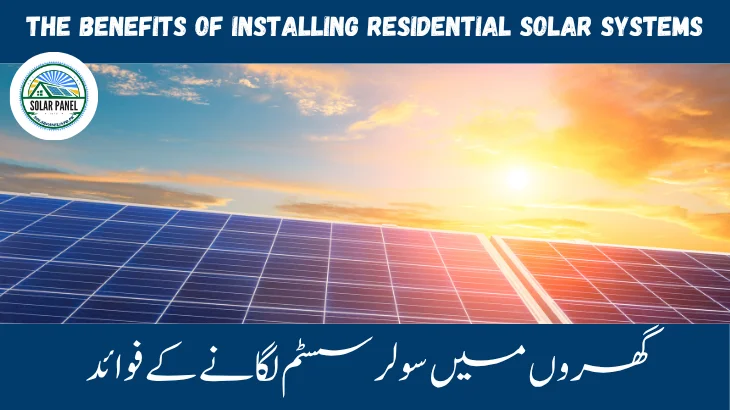
پاکستان میں رہائشی شمسی نظام تیزی سے مقبول ہو رہے ہیں، جہاں پانچ میں سے ایک گھر انہیں انسٹال کر رہا ہے۔ بہت سے مکان مالکان ابھی تک ان فوائد سے ناواقف ہیں، جن میں بجلی کے بلوں کو کم کرنا اور صاف ستھرا ماحول کو فروغ دینا شامل ہے۔ یہ نظام مختلف گھریلو ضروریات کے لیے سورج کی روشنی کو قابل استعمال بجلی میں تبدیل کرتے ہیں۔ ٹیکنالوجی میں حالیہ پیشرفت، سازوسامان کی کم لاگت، اور حکومتی مراعات نے رہائشی شمسی نظاموں کی تنصیب کو زیادہ سستی اور فائدہ مند بنا دیا ہے۔
Significant Reduction in Electricity Bills
Homeowners often transition to solar energy primarily to decrease their monthly energy costs. By harnessing electricity through solar panels, they can lessen their dependence on the national grid. Often, solar energy is capable of meeting a significant portion—if not all—of a household’s energy needs, leading to considerable savings over time. Moreover, as electricity prices continue to rise, solar systems offer long-term financial stability and safeguard against potential increases in energy tariffs.
Environmentally Friendly and Sustainable
Residential solar systems harness sunlight to produce clean, renewable energy. In contrast to fossil fuels, solar power generates no greenhouse gases or harmful emissions, making it an environmentally friendly option. By adopting solar energy, homeowners can greatly diminish their carbon footprint, contributing to the fight against climate change and the conservation of natural resources. This solution not only benefits individual households but also aligns with global sustainability efforts.
Increases Property Value
Homes that are installed with solar energy systems tend to have a higher market value. This trend is driven by a growing number of buyers who are prioritizing energy efficiency due to its advantages, such as reduced operating costs and positive environmental impact. Research indicates that homes equipped with solar technology often sell more quickly and at better prices compared to those without. Therefore, investing in solar installation can be considered a wise decision for both immediate and long-term benefits.
Residential Solar Systems – Benefits
Key Benefits
Lower Electricity Bills
Reduce dependence on the national grid and save money long-term.
Eco-Friendly
Clean, renewable energy with zero emissions.
Higher Property Value
Solar homes sell faster and at better prices.
Energy Independence
Reliable power during load shedding with batteries.
اہم فوائد
بجلی کے بلوں میں کمی
قومی گرڈ پر انحصار کم کریں اور پیسے بچائیں۔
ماحول دوست
صاف اور قابل تجدید توانائی۔
جائیداد کی قدر میں اضافہ
سولر گھر زیادہ قیمت پر فروخت ہوتے ہیں۔
توانائی میں خود کفالت
لوڈشیڈنگ میں بھی بجلی دستیاب۔
Impact Overview
Solar Savings Calculator
Low Maintenance and Long Lifespan
Modern solar panels are designed for durability and generally require minimal maintenance. Typically, routine cleanings during dusty seasons and occasional inspections are sufficient to maintain their efficiency. Many solar energy systems come with warranties ranging from 15 to 25 years, providing assurance of reliable power generation over the long term. Moreover, the absence of moving mechanical parts contributes to reduced wear and tear, positioning solar panels as a lasting solution for sustainable energy generation.
Government Support and Incentives
Various governments globally provide incentives aimed at promoting the adoption of residential solar energy systems. These incentives often include tax rebates, net metering policies, and subsidies for solar equipment. Such financial benefits are designed to help homeowners recover their installation costs more quickly. For instance, through net metering, any surplus electricity generated during the day can be sold back to the grid. This not only lowers electricity bills but can also result in earning credits for homeowners.
Energy Independence and Reliability
Generating electricity through solar panels allows homeowners to reduce their dependence on public utilities and power companies. This is particularly beneficial in regions that experience frequent load shedding or have an unreliable grid supply. When solar systems are combined with battery storage, they can deliver a steady and dependable power source. Additionally, utilizing solar energy contributes to national energy independence by diminishing the need for imported fuels.
Read Also: Climate Change Impact on Pakistan Solar Energy Production

Supports Job Creation and Local Economy
The solar industry plays a significant role in the economy by generating thousands of jobs across various sectors, including manufacturing, installation, maintenance, sales, and engineering. Homeowners who install solar systems not only benefit personally but also support local businesses, leading to broader economic growth. Additionally, the expansion of renewable energy sectors fosters innovation and drives the development of new technologies.
Conclusion
Installing residential solar systems in Pakistan offers several advantages for homeowners, including significant reductions in electricity bills and decreased reliance on the national grid. Solar power promotes sustainability by lowering carbon footprints and enhancing property values, making it a valuable long-term investment. With government incentives and technological advancements, solar energy is becoming essential for modern homes, providing reliable and cost-effective electricity while contributing to a greener future.
پاکستان میں رہائشی سولر سسٹمز کی تنصیب گھر کے مالکان کے لیے کئی فوائد کی پیشکش کرتی ہے، بشمول بجلی کے بلوں میں نمایاں کمی اور قومی گرڈ پر انحصار میں کمی۔ شمسی توانائی کاربن کے اثرات کو کم کرکے اور جائیداد کی قدروں کو بڑھا کر پائیداری کو فروغ دیتی ہے، جس سے یہ ایک قابل قدر طویل مدتی سرمایہ کاری ہے۔ حکومتی ترغیبات اور تکنیکی ترقی کے ساتھ، شمسی توانائی جدید گھروں کے لیے ضروری ہوتی جا رہی ہے، جو کہ قابل اعتماد اور سستی بجلی فراہم کرتی ہے اور ایک سرسبز مستقبل میں اپنا حصہ ڈالتی ہے۔
FAQ’s
How long does a residential solar system last?
Most solar panels last for 25 years or more and require minimal maintenance to function efficiently.
Can solar panels work during load shedding or at night?
Solar panels produce electricity only during sunlight. When paired with battery backup, they can supply power during load shedding and at night.
Is installing a solar system expensive?
High initial installation costs for solar energy can be offset by government incentives and lower electricity bills, allowing homeowners to recover their investment in a few years.